
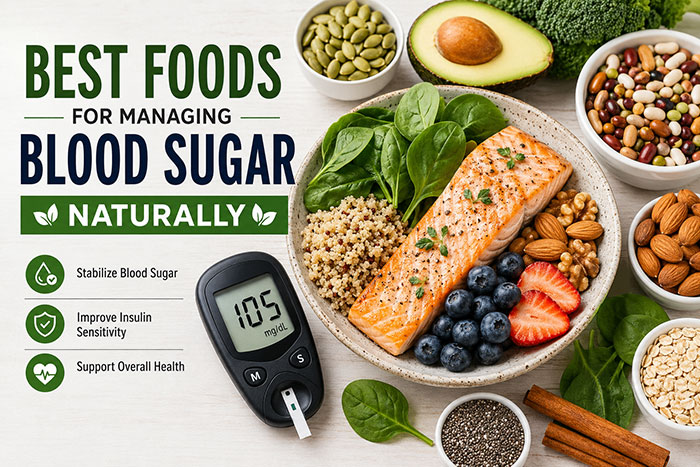
Maintaining healthy blood sugar levels is essential for overall health and well-being. High blood sugar can increase the risk of serious health conditions, including diabetes, heart disease, kidney disease, and nerve damage. While medications may be necessary for some individuals, dietary choices play a crucial role in managing blood sugar naturally.
Choosing nutrient-rich foods that are high in fiber, healthy fats, and protein can help slow the absorption of sugar into the bloodstream and improve insulin sensitivity. In this article, we’ll explore the best foods for managing blood sugar naturally and provide practical tips for incorporating them into your daily diet.
Understanding Blood Sugar Levels
Blood sugar, also known as blood glucose, is the body’s primary source of energy. It comes from the foods we eat, particularly carbohydrates. The hormone insulin helps move glucose from the bloodstream into cells, where it is used for energy.
When the body cannot effectively use insulin or produce enough of it, blood sugar levels rise. Over time, consistently elevated blood sugar can lead to health complications.
Why Diet Matters for Blood Sugar Control
The foods you eat have a direct impact on blood glucose levels. Certain foods cause rapid spikes in blood sugar, while others help maintain steady levels throughout the day.
A balanced diet can:
- Improve insulin sensitivity
- Reduce blood sugar spikes
- Support weight management
- Lower the risk of diabetes complications
- Improve overall health
1. Leafy Green Vegetables
Leafy greens such as spinach, kale, fenugreek leaves, and lettuce are among the best foods for blood sugar management.
Benefits
- Low in carbohydrates
- Rich in vitamins and minerals
- High in antioxidants
- Excellent source of fiber
Fiber helps slow digestion and prevents sudden increases in blood sugar after meals.
How to Include
- Add spinach to smoothies
- Prepare salads with mixed greens
- Include greens in soups and curries
2. Whole Grains
Unlike refined grains, whole grains contain fiber, vitamins, and minerals that support healthy blood sugar levels.
Examples
- Oats
- Brown rice
- Quinoa
- Whole wheat
- Barley
Benefits
Whole grains have a lower glycemic index, meaning they release glucose slowly into the bloodstream.
How to Include
- Replace white rice with brown rice
- Choose whole wheat bread
- Start your day with oatmeal
3. Legumes and Beans
Beans, lentils, chickpeas, and peas are excellent sources of plant-based protein and fiber.
Benefits
- Slow digestion
- Reduce post-meal blood sugar spikes
- Improve satiety
- Support heart health
Best Choices
- Black beans
- Kidney beans
- Chickpeas
- Green gram
- Lentils
How to Include
Add beans to soups, salads, curries, and side dishes.
4. Nuts and Seeds
Nuts and seeds provide healthy fats, fiber, and protein, making them ideal snacks for blood sugar control.
Recommended Options
- Almonds
- Walnuts
- Pistachios
- Chia seeds
- Flaxseeds
- Pumpkin seeds
Benefits
Regular consumption may improve insulin sensitivity and reduce inflammation.
Serving Tip
A small handful daily is generally sufficient.
5. Fatty Fish
Fish rich in omega-3 fatty acids can help reduce inflammation and support cardiovascular health.
Best Choices
- Salmon
- Sardines
- Mackerel
- Tuna
Benefits
- Supports heart health
- Improves insulin function
- Provides high-quality protein
Aim for two servings of fatty fish per week.
6. Berries
Berries are naturally sweet yet relatively low in sugar compared to many other fruits.
Popular Choices
- Strawberries
- Blueberries
- Raspberries
- Blackberries
Benefits
- Rich in antioxidants
- High fiber content
- Lower glycemic impact
Berries can satisfy sweet cravings while supporting healthy blood sugar levels.
7. Greek Yogurt and Unsweetened Dairy
Unsweetened yogurt provides protein and probiotics that support gut health.
Benefits
- Improves satiety
- Supports digestion
- May improve insulin sensitivity
What to Avoid
Avoid flavored yogurts that contain added sugars.
8. Avocados
Avocados contain healthy monounsaturated fats and fiber.
Benefits
- Slow carbohydrate absorption
- Promote fullness
- Support heart health
Easy Ways to Eat
- Add to salads
- Use as a spread
- Blend into smoothies
9. Cinnamon
Cinnamon is a popular spice that may help improve blood sugar regulation when used as part of a healthy diet.
Benefits
- May improve insulin sensitivity
- Adds flavor without sugar
- Contains antioxidants
Usage
Sprinkle cinnamon on oatmeal, yogurt, or smoothies.
10. Eggs
Eggs are a nutrient-dense food that provides high-quality protein.
Benefits
- Minimal effect on blood sugar
- Supports muscle maintenance
- Helps control hunger
They make an excellent breakfast choice for people aiming to stabilize blood sugar levels.
Foods to Limit or Avoid
Certain foods can cause rapid blood sugar spikes and should be consumed sparingly.
Sugary Foods
- Soft drinks
- Candy
- Cakes
- Cookies
Refined Carbohydrates
- White bread
- White rice
- Pastries
Processed Snacks
- Chips
- Packaged sweets
- Sweetened breakfast cereals
Sugary Beverages
Liquid sugars are absorbed quickly and can significantly raise blood glucose levels.
Additional Lifestyle Tips
Diet works best when combined with healthy lifestyle habits.
Exercise Regularly
Aim for at least 150 minutes of moderate physical activity per week.
Stay Hydrated
Drinking enough water supports healthy metabolism and blood sugar regulation.
Manage Stress
Chronic stress can increase blood sugar levels. Consider meditation, yoga, or relaxation techniques.
Get Quality Sleep
Poor sleep can negatively affect insulin sensitivity and glucose metabolism.
Frequently Asked Questions
High-fiber foods such as leafy greens, beans, nuts, and whole grains are among the best choices.
Some fruits can raise blood sugar, but berries, apples, and pears generally have a lower glycemic impact when eaten in moderation.
Refined white rice may raise blood sugar more quickly than whole grains. Brown rice is often a better option.
Refined white ricBalanced meals at regular intervals can help maintain stable blood glucose levels.e may raise blood sugar more quickly than whole grains. Brown rice is often a better option.
Diet can significantly improve blood sugar management, but some individuals may also require medication and medical supervision.
Conclusion
Managing blood sugar naturally starts with making smart food choices. Leafy greens, whole grains, legumes, nuts, seeds, fish, berries, and other nutrient-dense foods can help stabilize blood glucose levels and support overall health. Combined with regular exercise, proper hydration, stress management, and quality sleep, a balanced diet can play a powerful role in maintaining healthy blood sugar levels and reducing the risk of long-term complications.
Remember that individual needs vary, so consult a healthcare professional or registered dietitian before making significant dietary changes, especially if you have diabetes or other medical conditions.