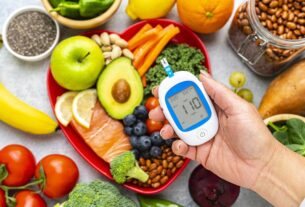
Fatty Liver Disease Diet: Complete Guide
Table of Contents
- Introduction
- What is Fatty Liver Disease?
- Types of Fatty Liver
- Causes
- Best Foods to Eat
- Foods to Avoid
- Sample Diet Plan
- Indian Diet Plan
- Lifestyle Changes
- Recovery Timeline
- FAQs
Introduction
Fatty liver disease occurs when excess fat accumulates in liver cells. This condition is increasingly common due to modern lifestyle habits, including poor diet and lack of physical activity. The good news is that early-stage fatty liver can often be reversed with the right dietary choices and consistent lifestyle changes.
What is Fatty Liver Disease?
The liver plays a crucial role in metabolism, detoxification, and digestion. When fat exceeds 5–10% of liver weight, it is classified as fatty liver disease. If left untreated, it may lead to inflammation, fibrosis, or more severe complications.
Types of Fatty Liver
There are two main types:
- Non-Alcoholic Fatty Liver Disease (NAFLD): Caused by obesity, insulin resistance, and poor diet.
- Alcoholic Fatty Liver Disease: Caused by excessive alcohol consumption.
Causes
Fatty liver develops due to a combination of dietary and lifestyle factors. High sugar intake, refined carbohydrates, and sedentary habits are major contributors. Other factors include obesity, diabetes, and metabolic syndrome.
Best Foods to Eat
Leafy Greens: Vegetables like spinach and kale help reduce fat accumulation in the liver.
Fruits: Apples, berries, and citrus fruits provide antioxidants that support liver function.
Whole Grains: Oats, brown rice, and quinoa provide fiber and maintain blood sugar levels.
Lean Protein: Fish, chicken, lentils, and legumes support metabolism and repair tissues.
Healthy Fats: Nuts, seeds, and olive oil reduce inflammation and improve cholesterol levels.
Foods to Avoid
Sugary Foods: High sugar intake increases fat storage in the liver.
Refined Carbohydrates: White bread, pastries, and processed snacks spike blood sugar.
Fried Foods: High in unhealthy fats, they worsen liver inflammation.
Alcohol: A major contributor to liver damage and fat accumulation.
Processed Foods: Contain additives and preservatives that strain the liver.
Sample Diet Plan
Breakfast: Oatmeal with fruits and nuts, or vegetable upma.
Mid-Morning Snack: Fresh fruit or coconut water.
Lunch: Brown rice or roti with vegetables and dal.
Evening Snack: Roasted nuts or green tea.
Dinner: Vegetable soup with grilled protein.
Indian Diet Plan for Fatty Liver
An Indian diet can be highly effective when properly balanced. Traditional foods like dal, roti, and vegetables provide essential nutrients while avoiding processed items.
Including spices like turmeric and garlic may support liver health due to their anti-inflammatory properties. However, portion control remains essential.
Lifestyle Changes
Diet alone is not enough; lifestyle habits play a crucial role.
Exercise: Regular physical activity helps burn excess fat and improve metabolism.
Weight Management: Gradual weight loss reduces liver fat effectively.
Hydration: Drinking enough water supports detoxification.
Sleep: Proper sleep improves hormonal balance and reduces stress.
Recovery Timeline
With consistent effort, improvements can be seen within a few months. Early stages of fatty liver are reversible, but advanced stages require medical supervision.
FAQs
What is the fastest way to reduce fatty liver?
Combining a healthy diet, regular exercise, and weight management is the most effective approach.
Can fatty liver be reversed naturally?
Yes, early-stage fatty liver can often be reversed with proper diet and lifestyle changes.
Is rice allowed in fatty liver diet?
Yes, but in moderation. Prefer brown rice or whole grains.
Deep Insights for Long-Term Success
Understanding the relationship between insulin resistance and liver fat is key to long-term management. Stabilizing blood sugar through diet reduces fat accumulation in liver cells.
Fiber intake improves digestion and helps regulate cholesterol levels. Including soluble fiber from oats and fruits can be particularly beneficial.
Protein helps maintain muscle mass during weight loss, ensuring metabolism remains active. Combining diet with resistance training enhances results.
Consistency is more important than intensity. Small, sustainable changes in diet and lifestyle produce better long-term outcomes than extreme dieting.
Monitoring progress through regular health checkups helps track improvements and adjust strategies accordingly.
Conclusion
A well-balanced diet combined with healthy lifestyle choices is the foundation of managing fatty liver disease. By focusing on whole foods, reducing harmful intake, and staying consistent, individuals can significantly improve liver health and overall well-being.