Kidney Stones Treatment: Complete Guide
Table of Contents
What Are Kidney Stones?
Kidney stones are hard deposits made of minerals and salts that form inside your kidneys. They develop when urine becomes concentrated, allowing crystals to stick together.
Causes of Kidney Stones
- Not drinking enough water
- High sodium diet
- Excess animal protein intake
- Obesity and sedentary lifestyle
- Digestive diseases
Symptoms
- Sharp pain in back or side
- Pain during urination
- Cloudy or foul-smelling urine
- Nausea and vomiting
- Frequent urge to urinate
Diagnosis
Doctors diagnose kidney stones using CT scans, ultrasound, urine tests, and blood tests.
Treatment Options
1. Hydration
Drinking 2–3 liters of water daily helps flush small stones.
2. Medications
- Pain relievers
- Alpha blockers to relax ureter muscles
3. Medical Procedures
- Shock Wave Lithotripsy (SWL)
- Ureteroscopy
- Percutaneous nephrolithotomy
Diet Plan
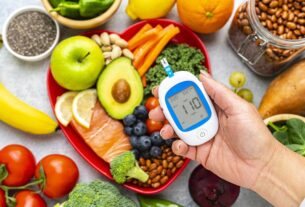
A kidney-friendly diet includes plenty of fluids, moderate calcium, low sodium, and limited oxalate-rich foods like spinach and nuts.
Prevention Tips
- Drink enough water daily
- Reduce salt intake
- Maintain healthy body weight
- Avoid excessive protein intake
Frequently Asked Questions
What is the fastest way to treat kidney stones?
Drinking plenty of water and taking prescribed medications can help pass small stones quickly. Larger stones may require medical procedures.
Can kidney stones go away on their own?
Yes, small kidney stones often pass naturally through urine with proper hydration.
Which foods should be avoided?
Avoid high-oxalate foods such as spinach, beets, nuts, and excessive salt intake.
How to prevent kidney stones?
Stay hydrated, eat a balanced diet, and reduce salt and sugar intake.
Kidney stones treatment depends on size, type, and severity. Early diagnosis and proper care can prevent complications and recurrence.